In the Heart of Syria: Reflections on Partnership, Purpose, and Digital Health
A note from our Executive Director, Sarah Mure
When I arrived in Damascus, the city was alive with the pulse of everyday life — the voices of vendors selling fruit, cars honking in traffic, and the scent of cardamom coffee drifting through the streets. Yet beneath that rhythm was a deeper story: healthcare workers who continue to show up each day, serving their communities with courage and compassion despite decades of hardship and scarcity.
As the Executive Director of Hikma Health, I had the privilege of visiting Syria to meet with our partner, Atlantic Humanitarian Relief (AHR), to see how our open-source technology has been used to strengthen care delivery in one of the world’s most complex humanitarian contexts.
Partnership and Shared Mission
For over thirteen years, Atlantic Humanitarian Relief (AHR) has provided vital medical and humanitarian aid to Syrian, Palestinian, Iraqi, and Yemeni refugees, as well as to impoverished Syrians with little or no access to care. Through medical, surgical, dental, and humanitarian missions conducted in partnership with local hospitals, AHR has delivered life-changing services — all free of charge.
27 missions | 2,700+ volunteers from 26 countries | 20,564 beneficiaries | 3,096 surgeries
November 2025 Mission | +5,200 patients across Damascus, Daraa, Homs, Aleppo, and Idlib
In April 2025, AHR delivered its first in-country mission in Syria, shifting its work from supporting displaced Syrians abroad to partnering with them directly on the ground. That mission created the foundation for deeper collaboration within the country’s health system.
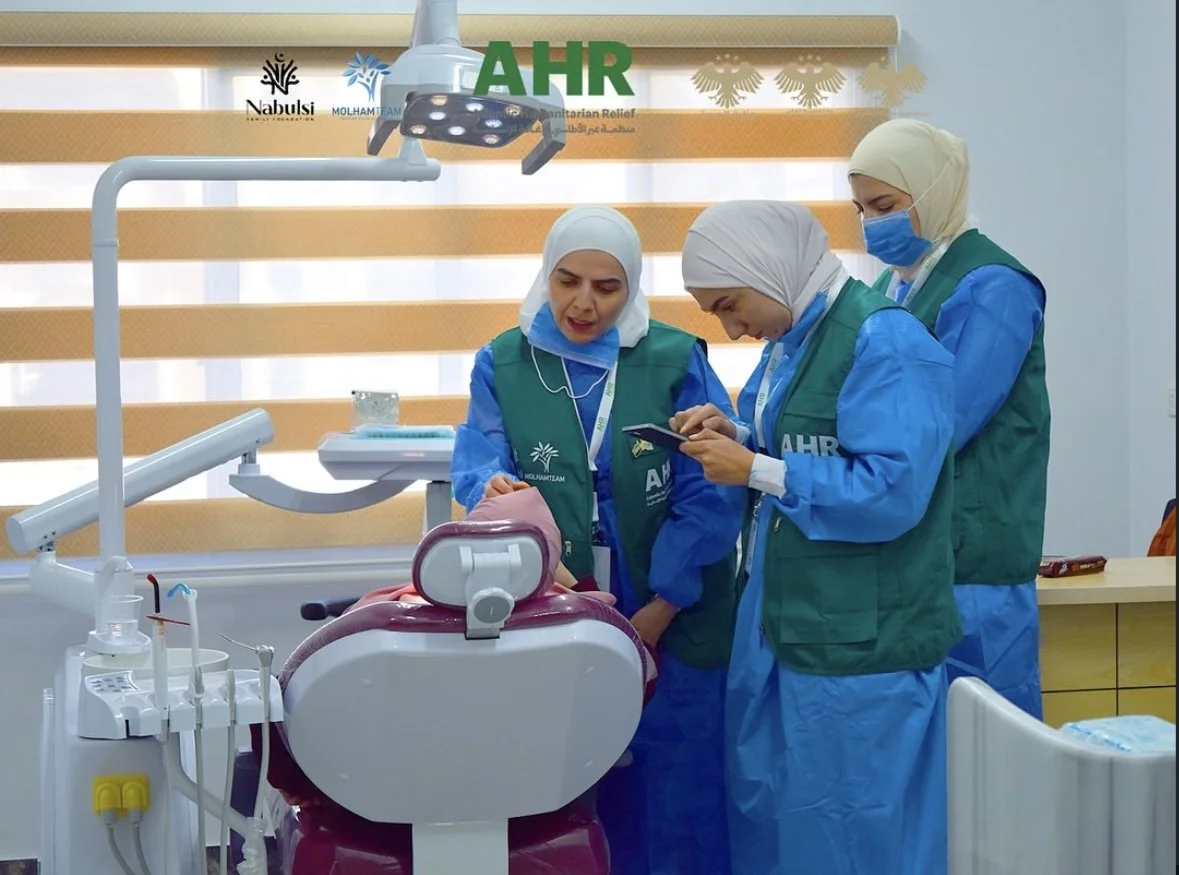
By the time I joined AHR for the November 2025 mission, that collaboration was already moving forward. AHR had renovated and opened an AHR-sponsored facility that now operates year-round, expanding access far beyond the limits of mission-based care. Working alongside the Ministry of Health, AHR is strengthening providers and facilities so they can serve their communities long after each mission ends.
This progress reflects the kind of partnership we believe in at Hikma Health. We work to make healthcare data accessible, secure, and actionable — especially for displaced and underserved populations. Participating in the AHR November mission showed me how that vision comes to life in Syria, where compassion, innovation, and community-led solutions are building a more resilient health system for the future.
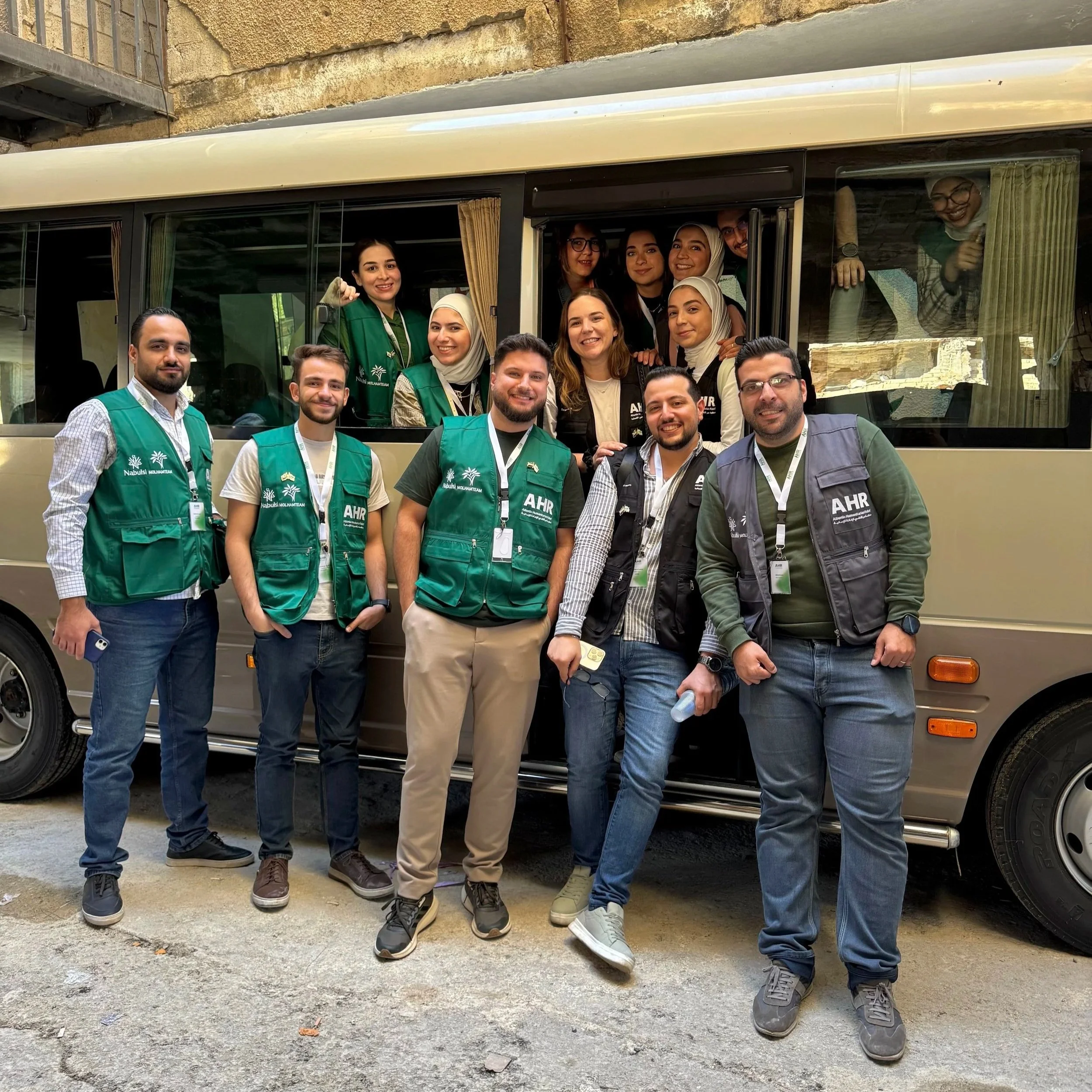
Moments That Stayed With Me
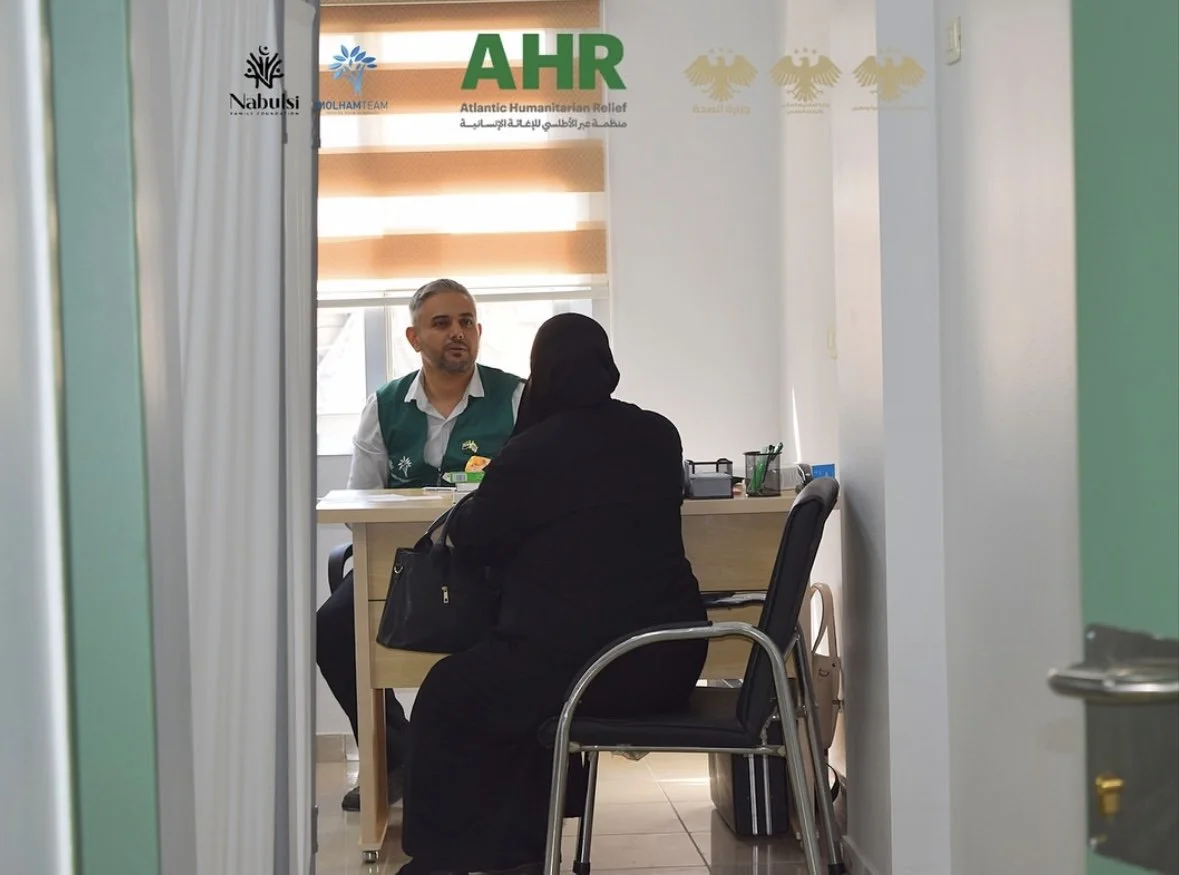
In one clinic, an AHR volunteer doctor told us how, during previous missions, teams relied entirely on handwritten notes to track patient visits — often working late into the night to organize paper records before the next day’s surge of patients. When he tested our offline-ready EHR, he looked up and said, “This changes everything. We can finally spend our time with patients, not trying to sort through paper.”
His reaction reflected what we saw across many facilities: small shifts that quietly reshape how care can be delivered.
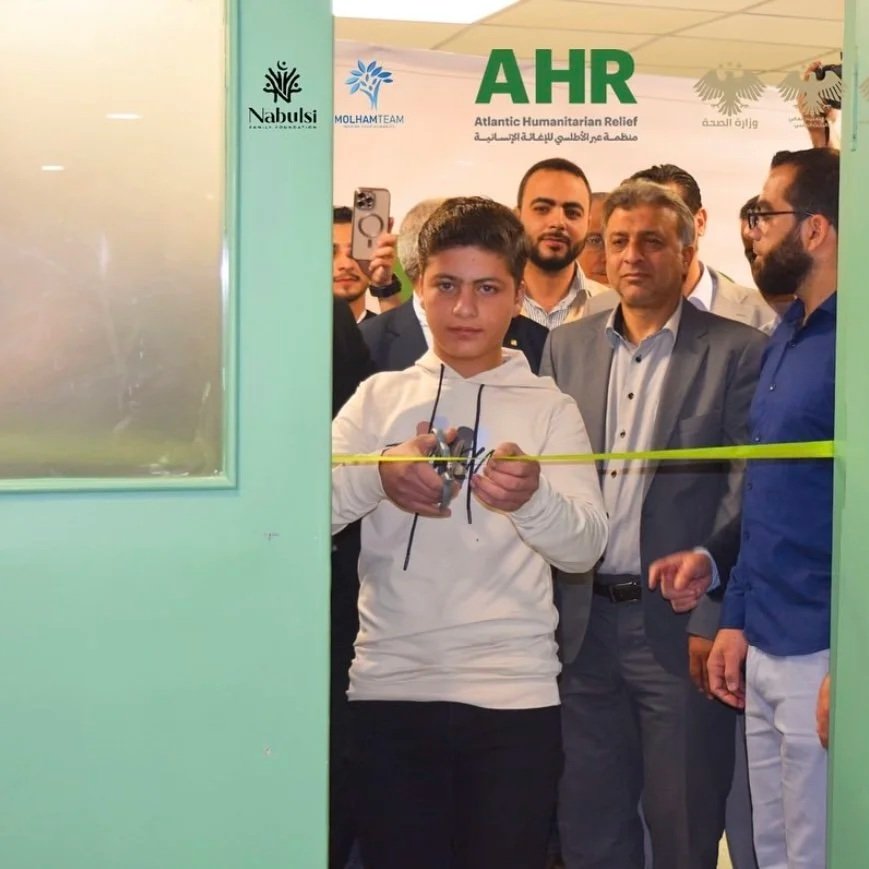
Another moment stayed with me in Kafr Batna, a community that endured unimaginable tragedy during the civil war. Earlier this year, AHR helped renovate and open 10 specialty clinics, transforming a space once marked by suffering into one devoted to healing. At the opening ceremony, the son of a man lost in the war cut the ribbon. Watching him reclaim that space was one of the most powerful moments of my visit — a reminder that rebuilding healthcare is not only about systems, but about dignity, memory, and hope.
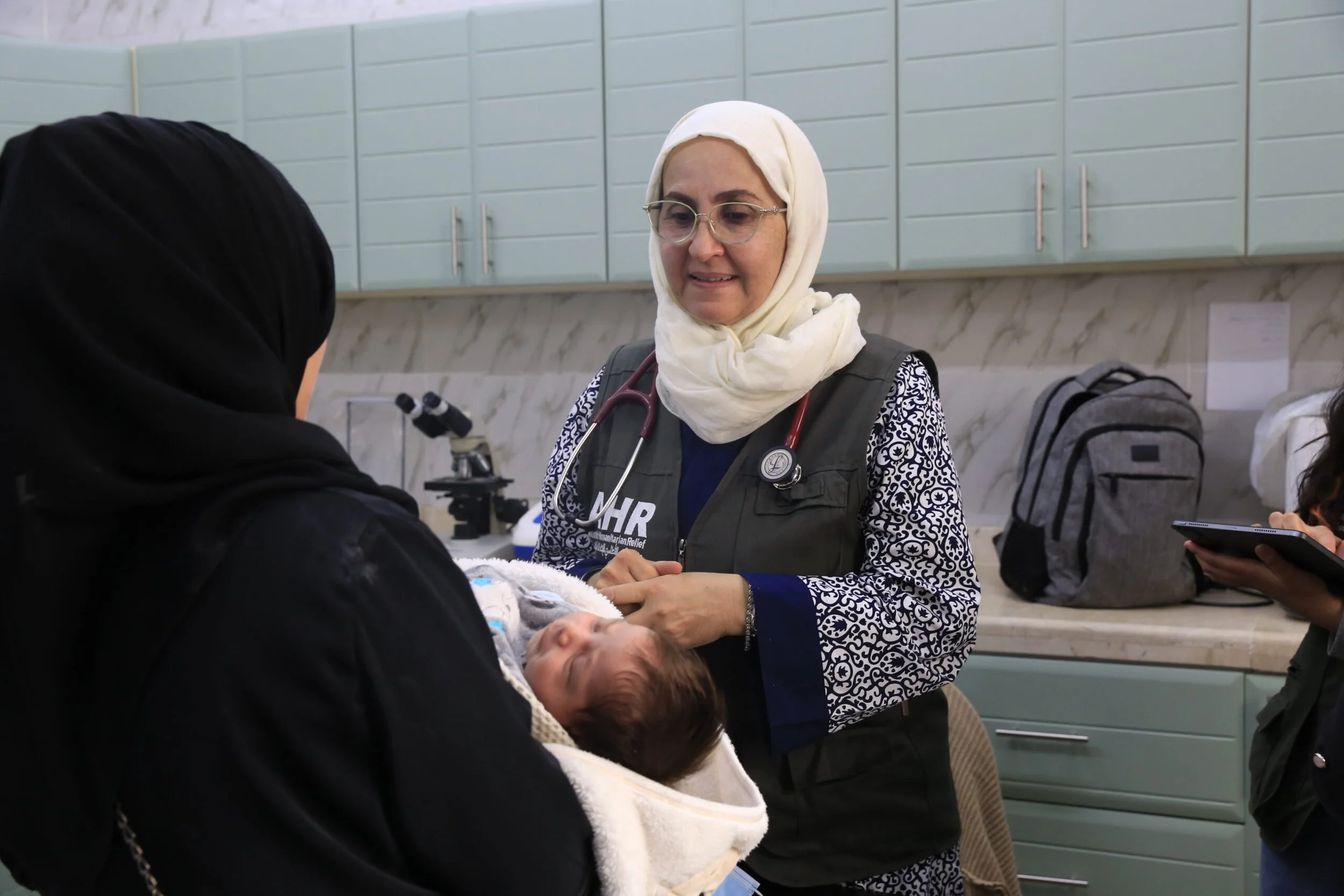
Inside that clinic, providers now rely on our EHR to securely record and coordinate patient care, even when electricity or internet flickers on and off.
Behind every patient record is a person — a story, a history, and need that deserves to be met with dignity.
a mother receiving prenatal care,
a child managing a chronic illness,
a clinician trying to care for hundreds of patients in impossible conditions.
In global health, it’s easy to focus on impact numbers — but in Syria, I saw the faces behind those records. I was reminded that our work is not about data for its own sake; it’s about ensuring that every individual behind each record receives the care, dignity, and continuity they deserve.

AHR’s team felt this too. As they shared their experience using the system, they spoke not about technology, but about what it allowed them to give back to their patients.
Nadin Antabi, AHR’s EHR Project Coordinator, captured this beautifully:
“Before, everything was on paper — triage, patient histories, coordination between volunteers. Now, whether a facility is online or offline, our clinicians work faster, more accurately, and we can track activities across all five cities at the same time.”
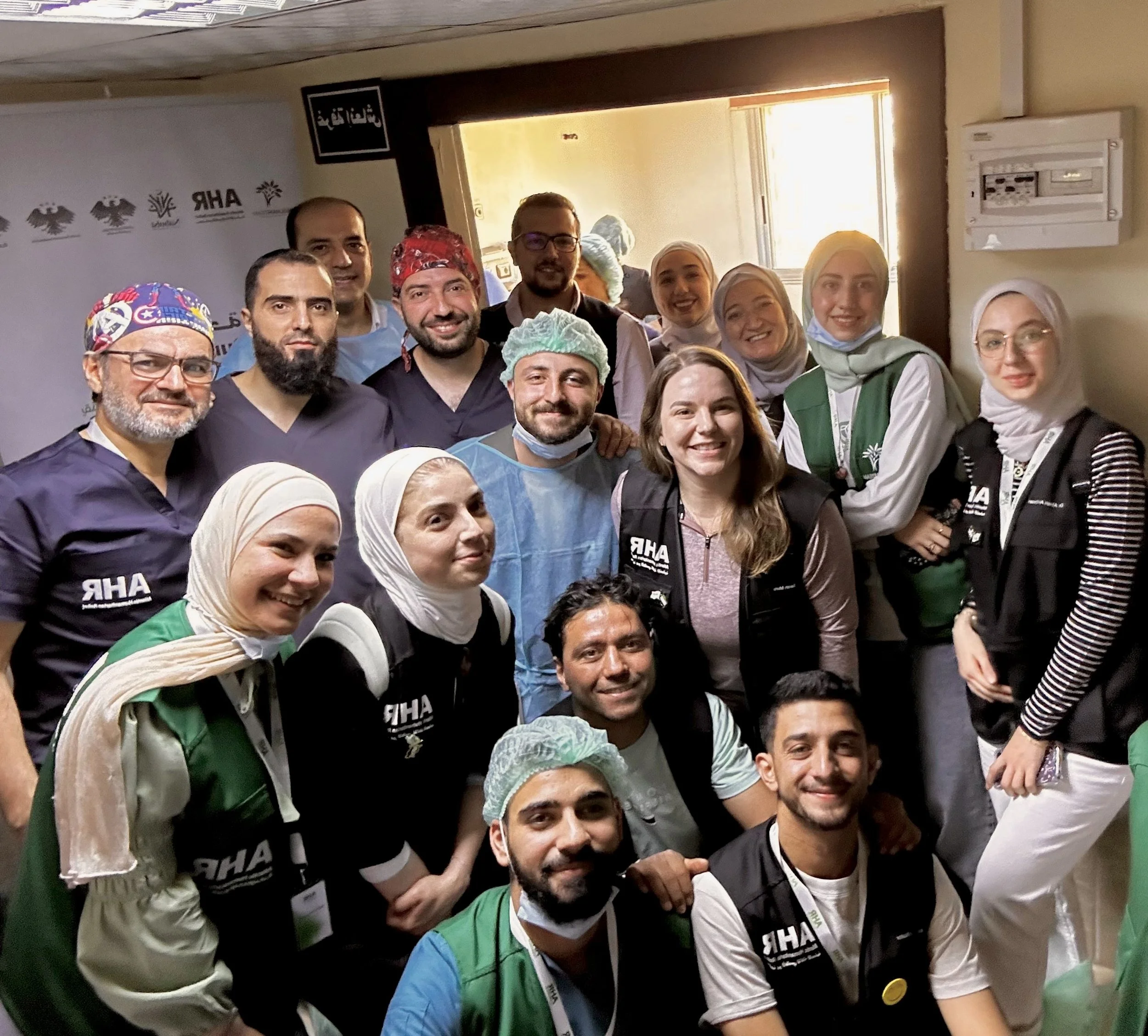
Her words reflect what I witnessed throughout the mission. With the support of our EHR, AHR teams treated thousands of patients across five provinces in six days — proof that digital health, when built with and for local providers, can strengthen care even without perfect infrastructure.
Moments like these remind me why open-source technology matters. Our tools may be digital, but their purpose is profoundly human: to help ensure that no patient’s story is lost.
Challenges and Opportunities
Syria’s healthcare system continues to face significant challenges — from recently lifted sanctions and limited resources to fragmented data systems. Yet within these constraints lies a powerful opportunity: to strengthen the digital foundations that can outlast crisis and support long-term health system resilience.
During my visit, I met with representatives from the Ministry of Health and UNICEF to discuss Syria’s evolving digital health landscape. Both shared a strong commitment to building a more digitized, data-driven health system that connects providers and improves patient care. These conversations underscored a shared vision — one where open-source tools like Hikma Health’s EHR can complement national efforts to make healthcare more connected, efficient, and equitable.
Hikma Health remains committed to partnering with governments, NGOs, and local organizations working toward that same future: a resilient, digitized health system designed to serve communities for generations to come.
Reflections on Leadership and Hope
Visiting Syria was a profoundly inspiring experience. I witnessed the unwavering courage of healthcare workers who keep hospitals running despite limited resources, the ingenuity of local developers envisioning digital tools designed for their own communities, and the compassion of organizations like Atlantic Humanitarian Relief (AHR) that bridge the space between emergency response and long-term health system resilience.
What moved me most was the commitment of the Syrian people themselves — volunteers, professionals, and public servants who continue to rebuild and innovate, often without pay, simply because they believe in the future of their country.
This trip reaffirmed my belief in open-source collaboration over competition — because when we share knowledge and technology, we don’t just add impact, we multiply it.
A Call for Shared Action
At Hikma Health, we know we can’t do this alone. Strengthening healthcare in fragile settings requires collective investment — not just in technology, but in people, training, and local ownership.
Our mission is simple: to ensure that no patient’s story is ever lost.
Thank you for standing with us — your support helps bring dignity, continuity, and care to communities that have been overlooked for far too long.
If you’re a partner, donor, or innovator committed to equitable health access, we invite you to join us in co-creating the next generation of digital health tools — solutions that work anywhere, especially where they’re needed most.